BMC Schools × FMCH × Australian Aid

Five Stories.
Lessons for Life.

A series of animated educational films created to help young students understand themselves, their health, their food and the culture around them.

Created for classrooms today. Designed to influence the choices children make tomorrow.

  • Educational Films
  • Character Design
  • Illustration
  • 2D Animation
  • Accessible Storytelling
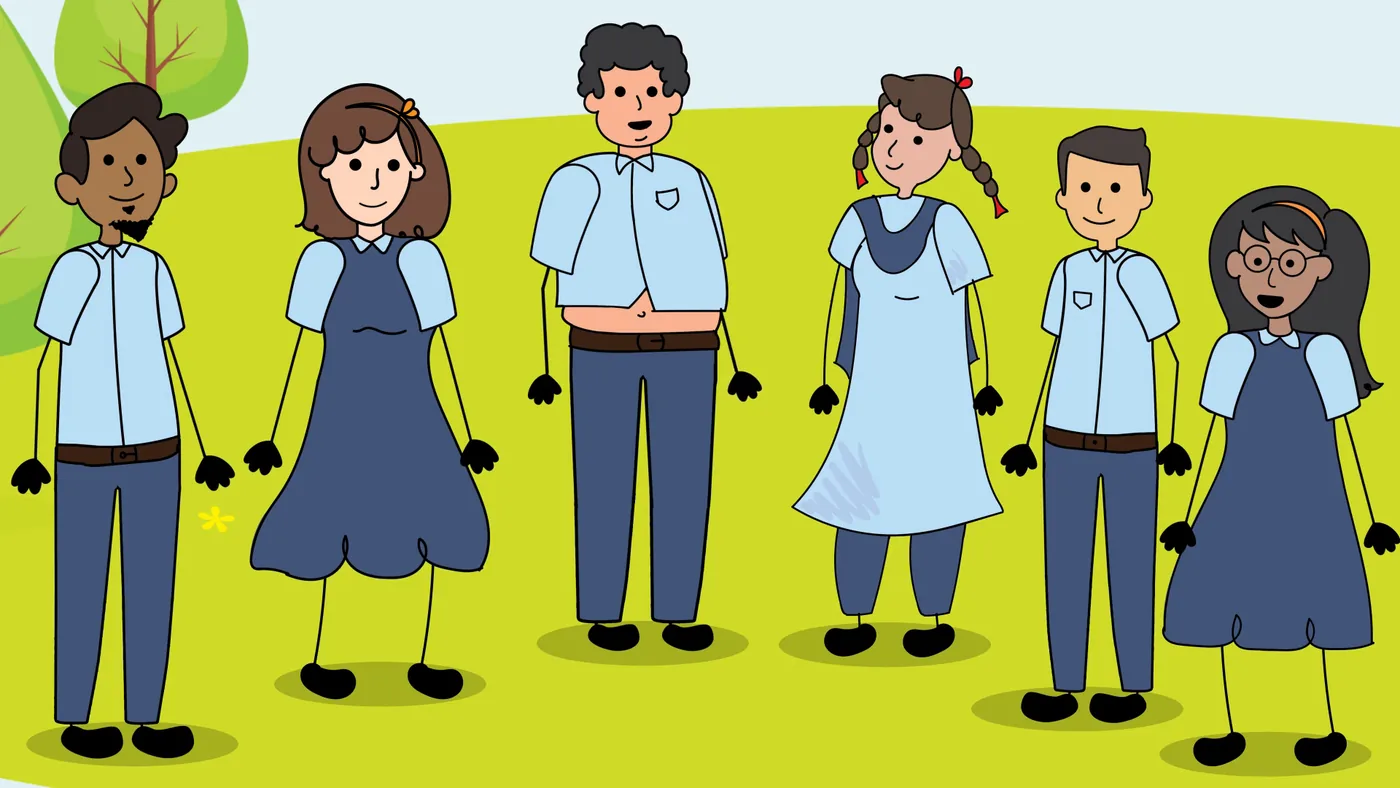
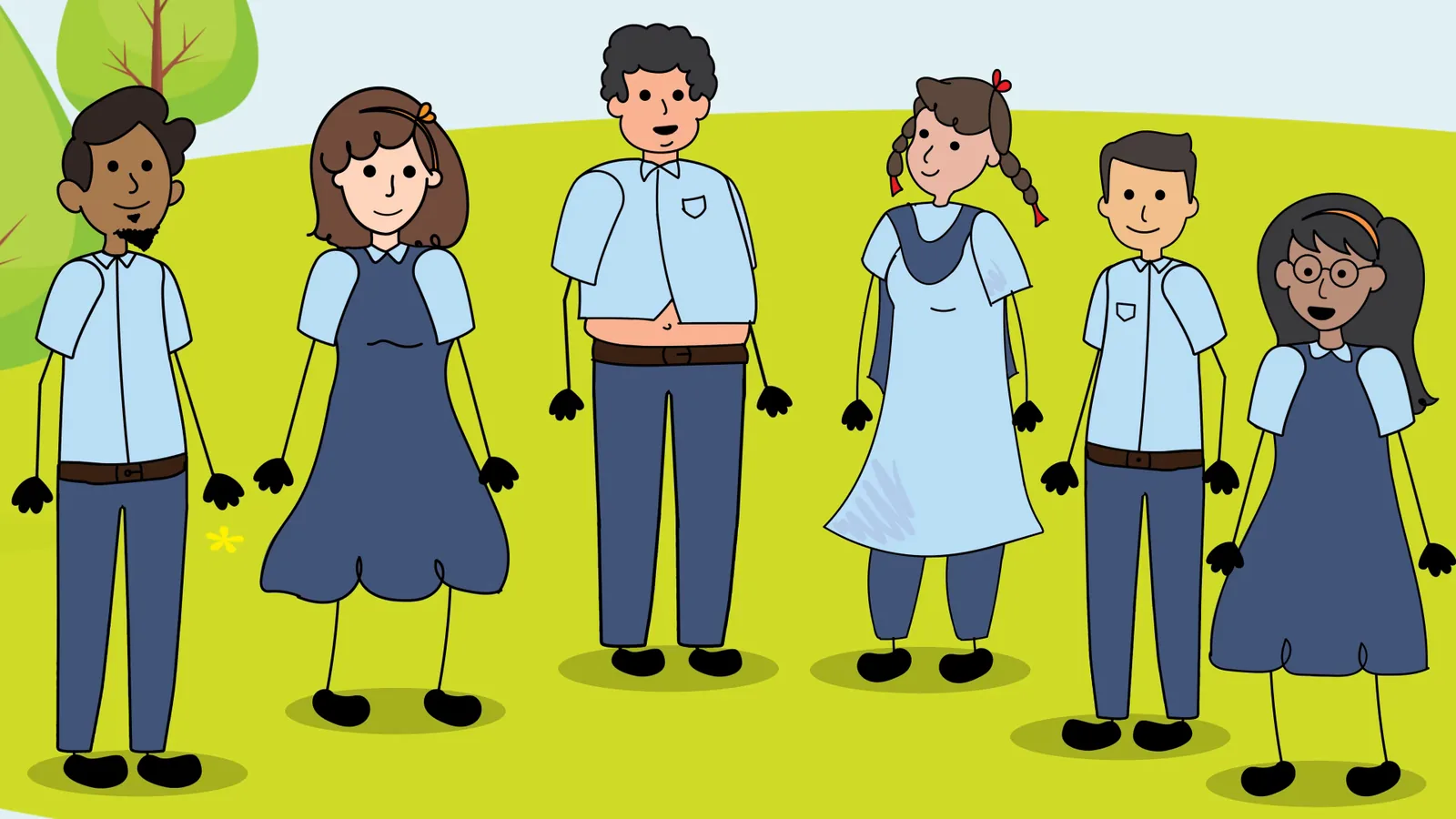
The closing frame of the series: six schoolchildren in blue and white uniforms standing together on a green field.
Educational Films
05
Essential Life Themes
05
Connected Learning Series
01
Made for
Mumbai Municipal
School Classrooms
The Challenge

The Challenge

Turning important lessons into stories children could see themselves in.

Children are often introduced to subjects such as nutrition, identity, health and cultural diversity through information-heavy lessons.

Our challenge was to transform these subjects into stories that felt simple, familiar and enjoyable—without reducing the importance of the message.

Each film needed to

  1. 01Communicate one clear lesson
  2. 02Hold the attention of school-age children
  3. 03Reflect familiar people, food and environments
  4. 04Remain accessible across different learning abilities
  5. 05Encourage conversation after the film ended
A girl walking up the path to her school building in the opening minute of the first film.
The school day, as the films draw it
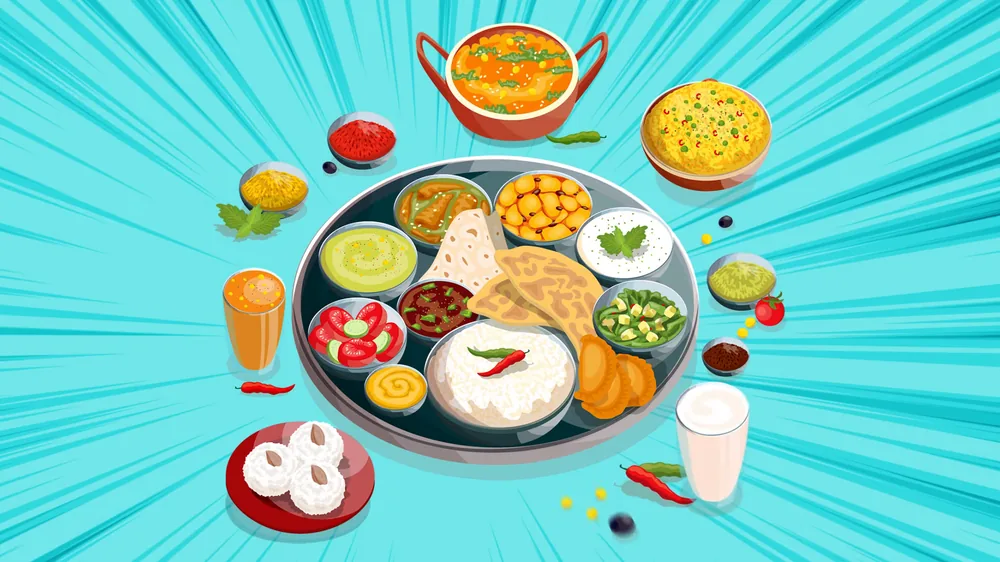
An illustrated thali of rice, dal, roti, vegetables, salad, sweets and a glass of milk.
Food drawn as it is eaten at home
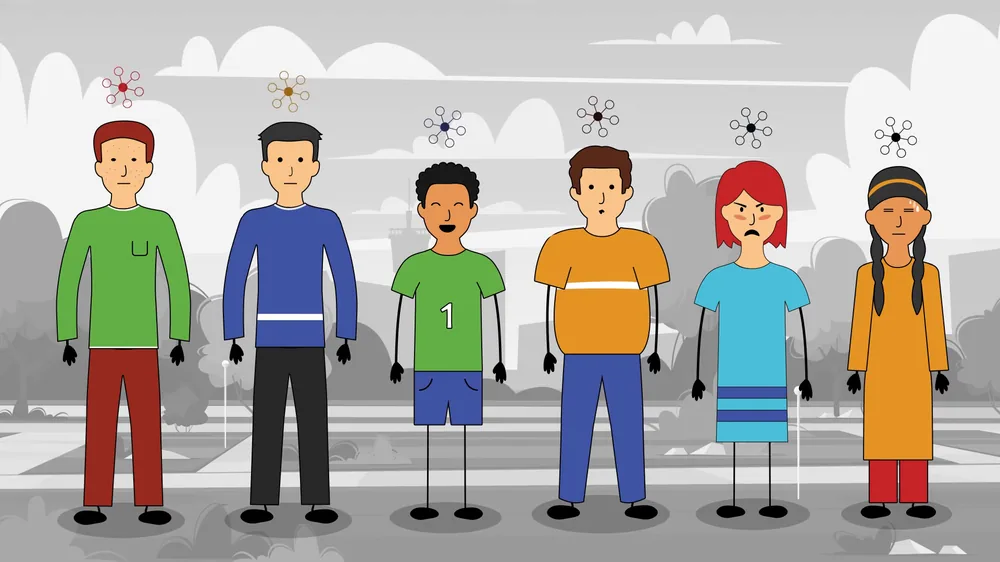
Six people of different ages, heights and builds standing in a grey street scene.
People who look like the people around them
A newspaper spread headed in Hindi with an article on health and hygiene, held open by a reader.
The information-heavy version of the same lesson

The Series

Five films. One connected world.

Each story carries a single idea, drawn in the same hand and set in the same neighbourhood, so a class that watches all five meets one world rather than five unrelated lessons.

01 of five

Self

Know Yourself

Self-awareness and identity

Helping children recognise their emotions, qualities and individuality.
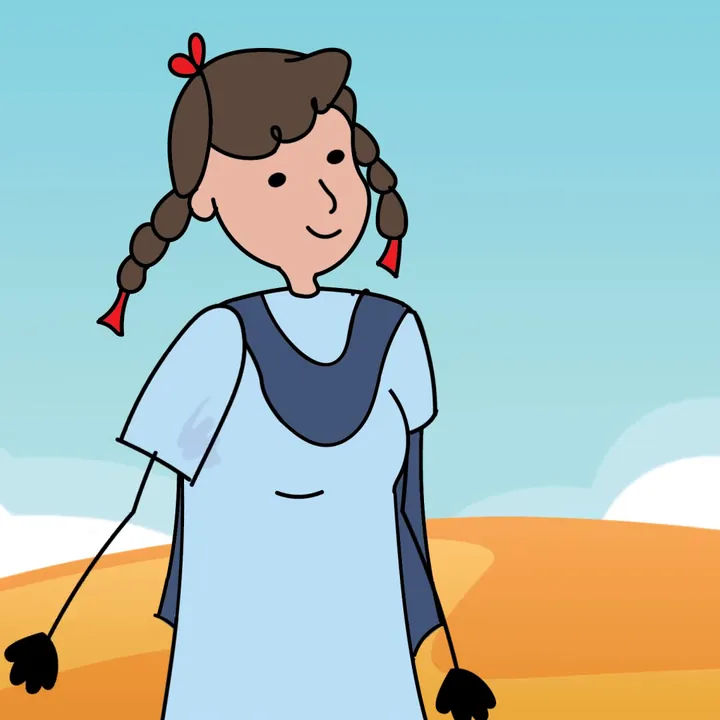
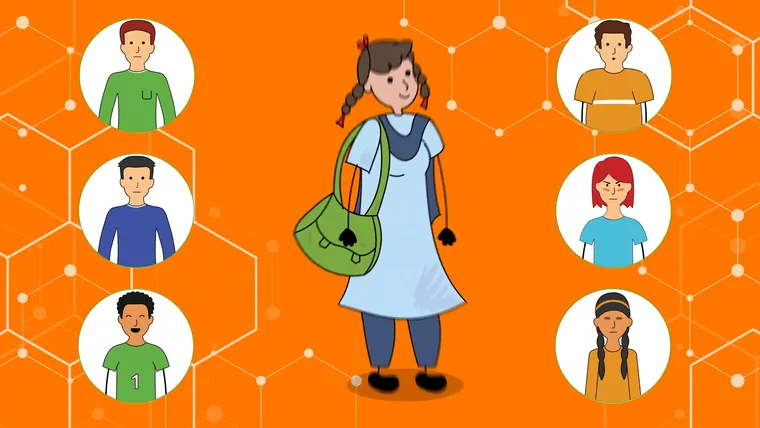
The schoolgirl who leads the first film, in her uniform and plaits.
The girl the first story follows
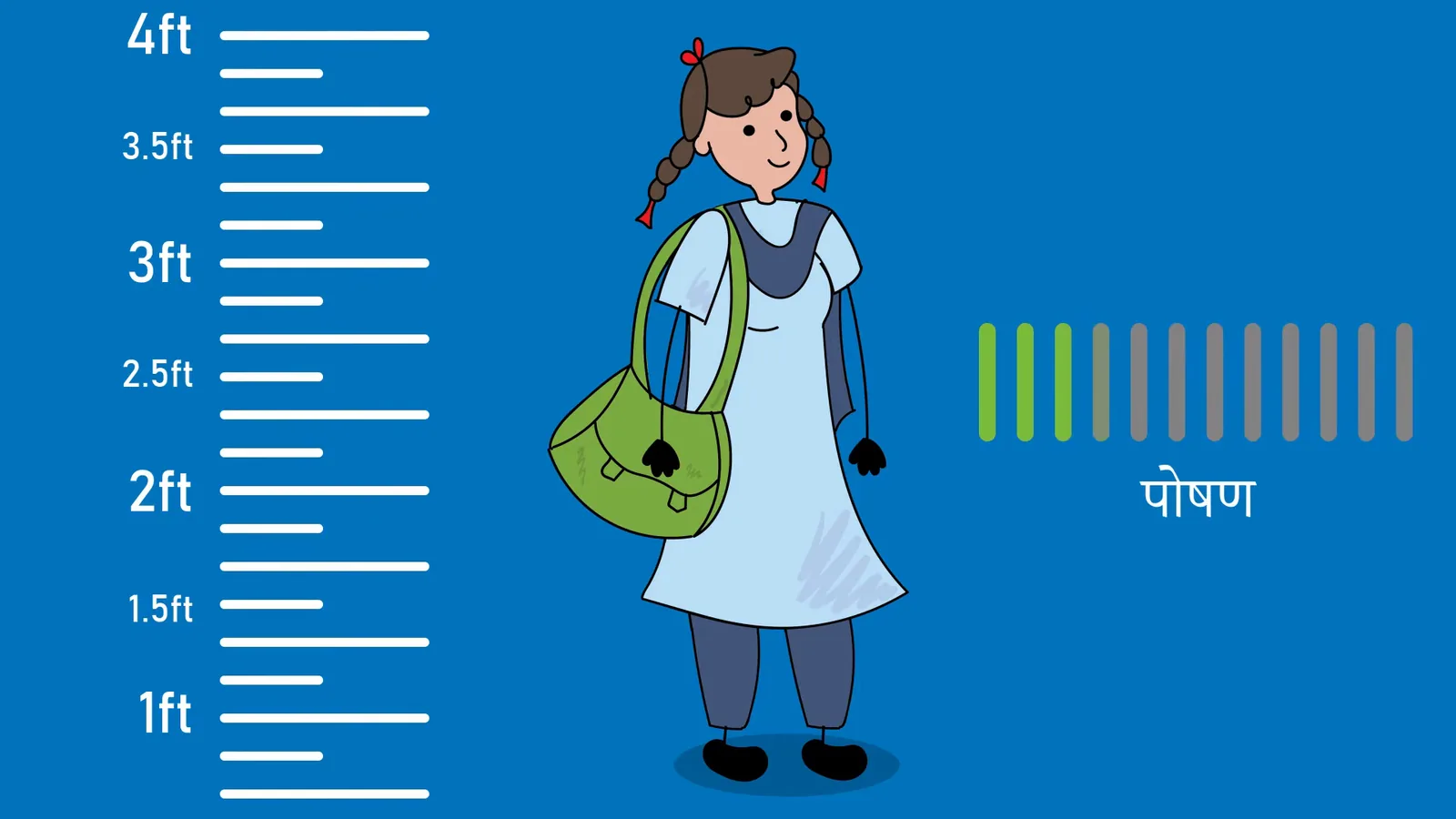
The girl standing against a height chart marked from one to four feet, with the Hindi word for nutrition beside her.
Growth measured against her own chart, not anyone else’s
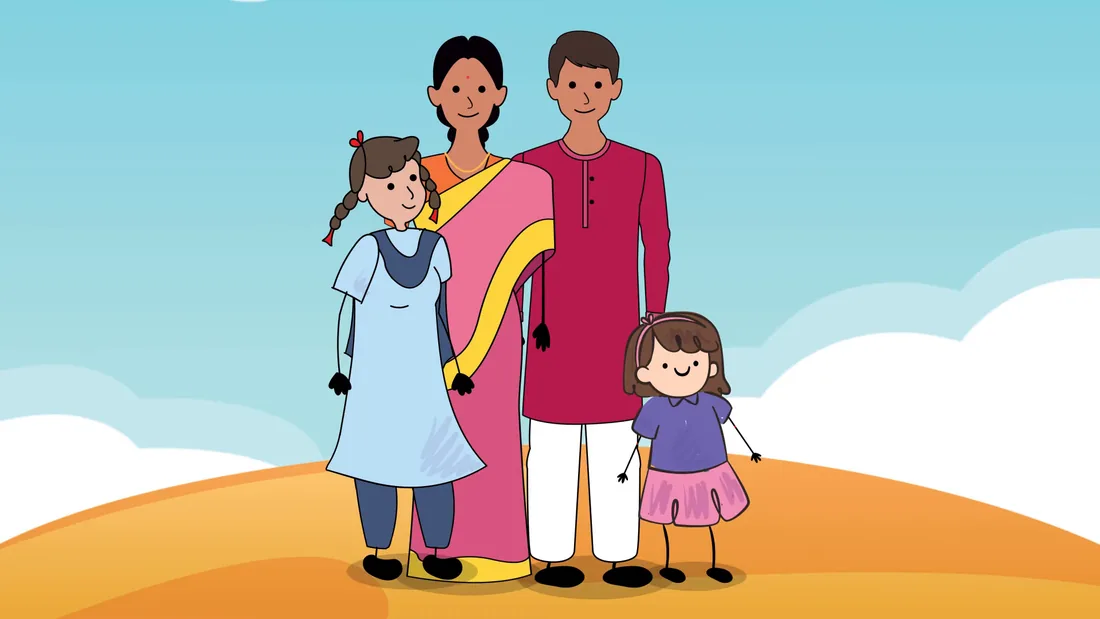
The girl standing with her mother, father and younger sister.
Who she is, before what she should do

02 of five

Choices

Food Choices

Everyday decision-making

Showing how small food choices can contribute to healthier everyday habits.
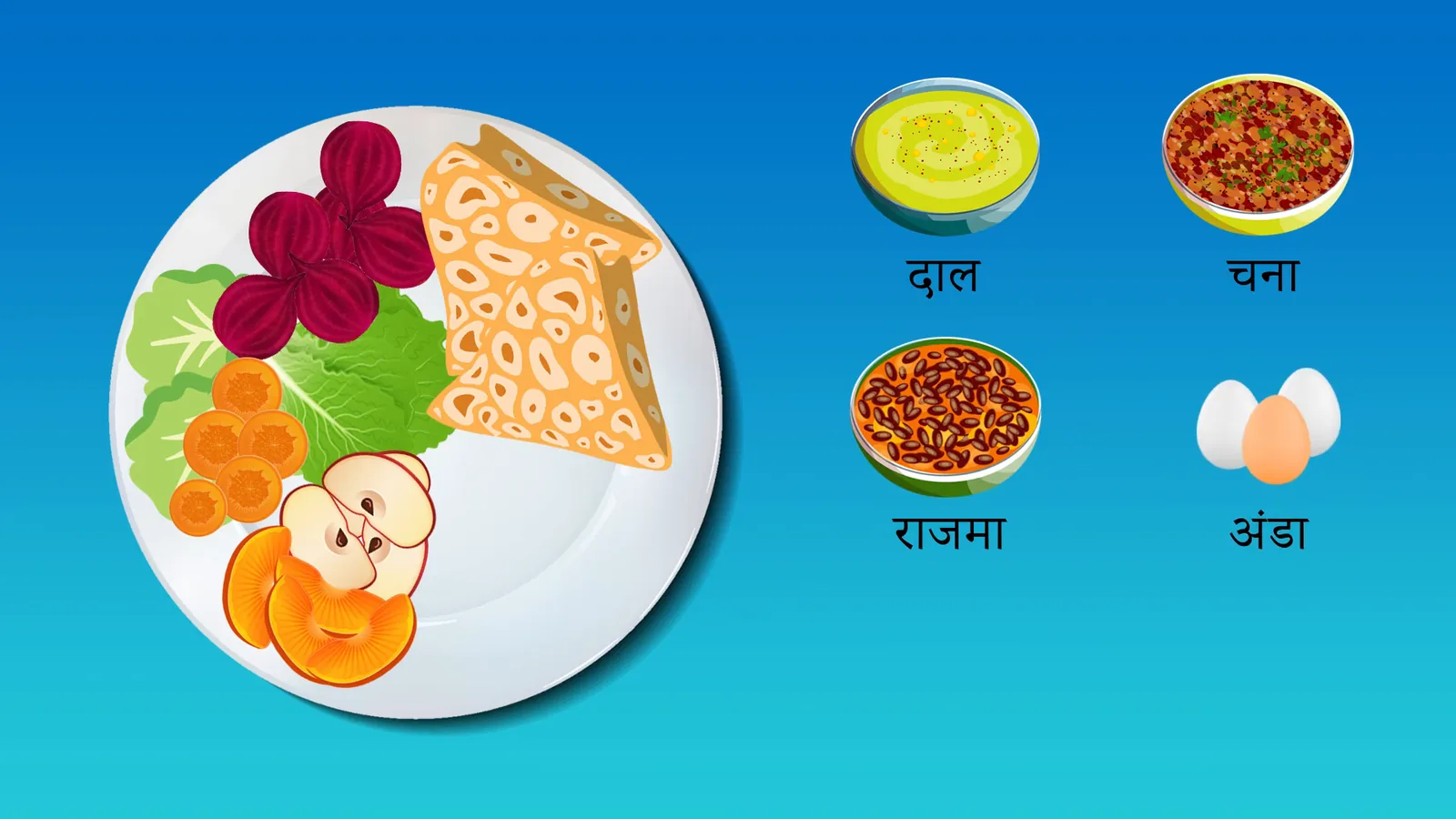
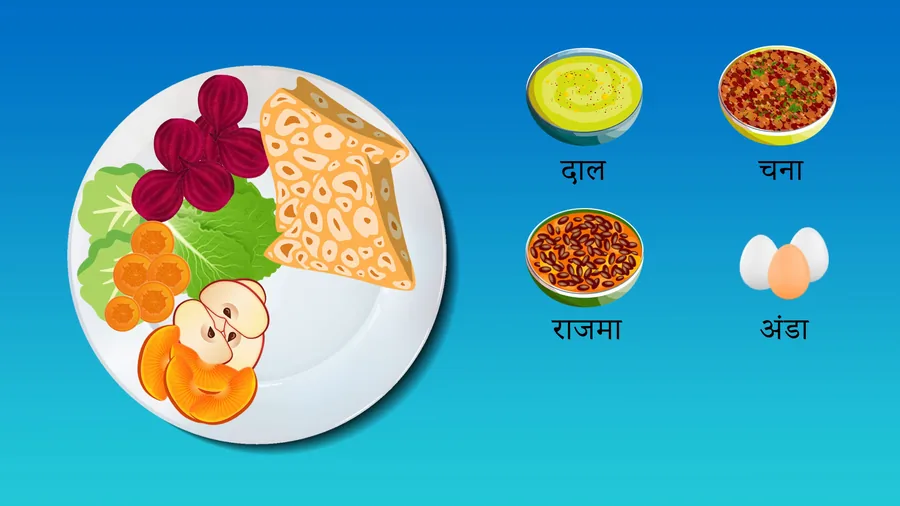
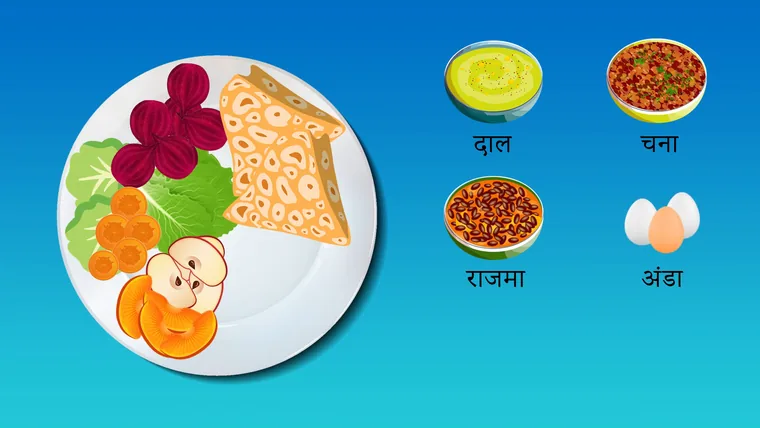
A plate divided between vegetables, fruit and roti, with bowls of dal, chana, rajma and an egg set beside it.
One plate, filled a portion at a time across the film
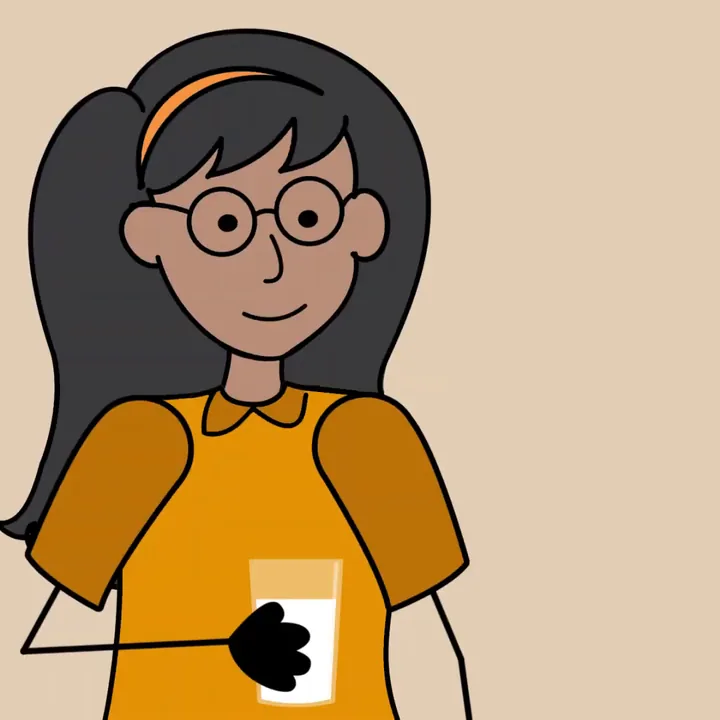
The girl who leads the second film, holding a glass of milk.
The girl the second story follows
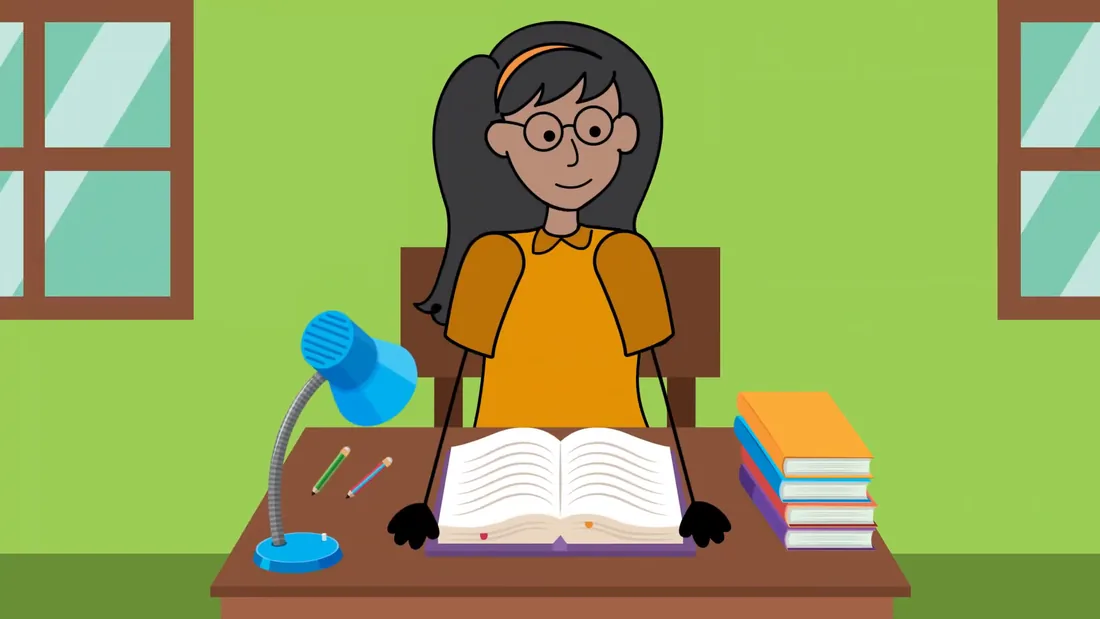
The same girl at her desk with a lamp, an open book and a stack of books beside her.
Eating well drawn as part of an ordinary day

03 of five

Health

Everyone Is Healthy

Understanding health

Helping students look beyond appearances and understand what being healthy really means.

The boy in the third film reacting with surprise against a brick boundary wall.
The boy the third story follows
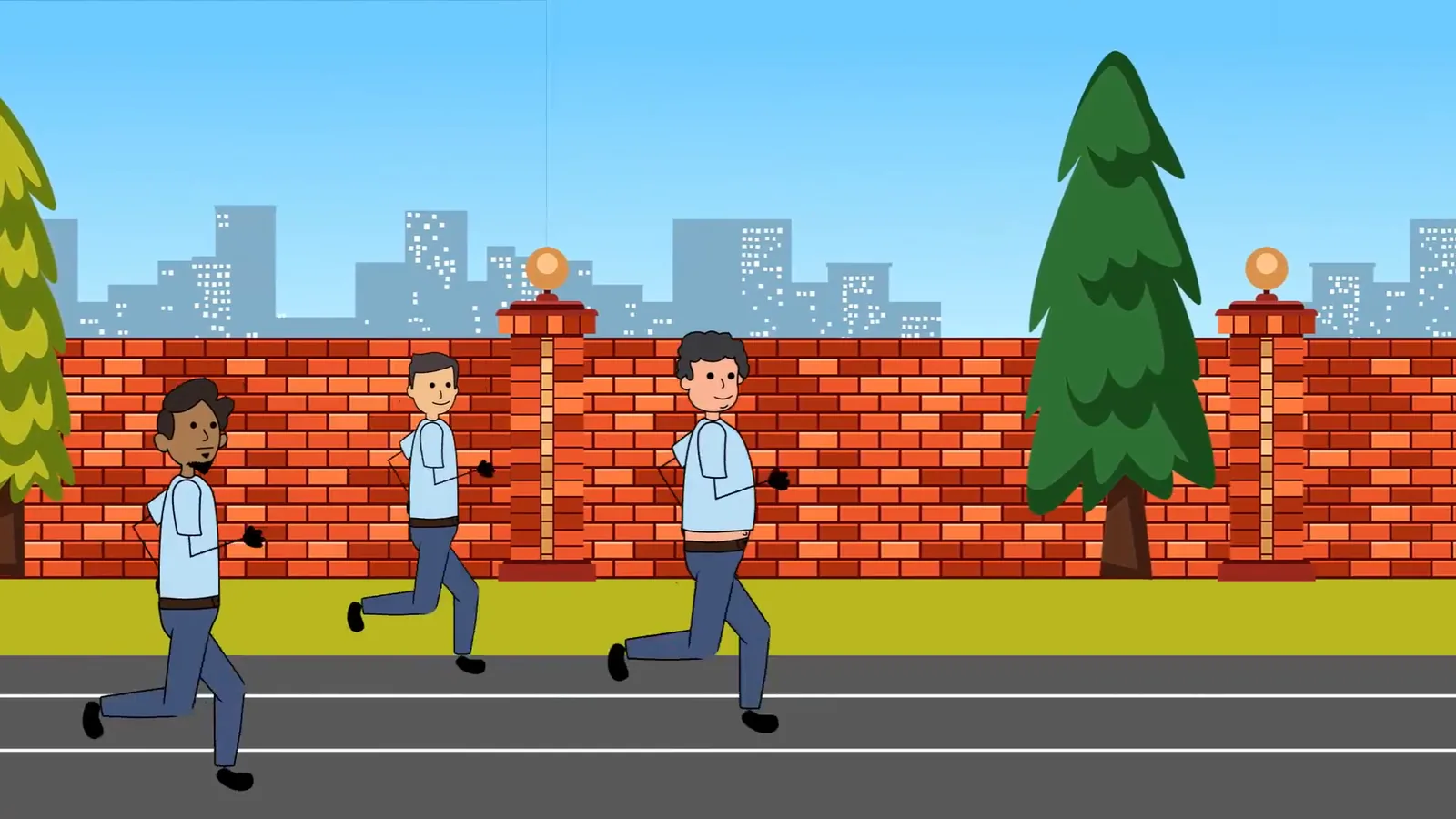
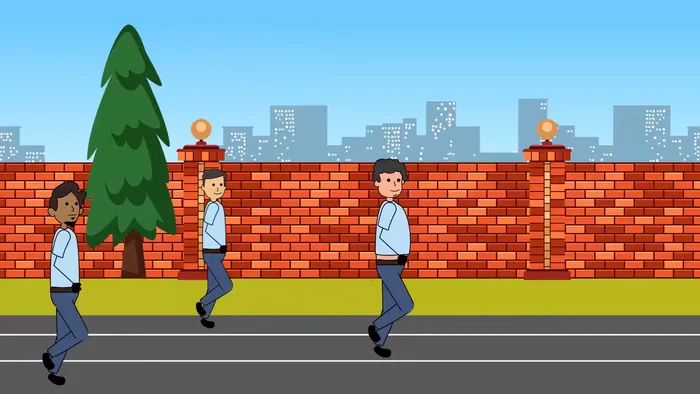
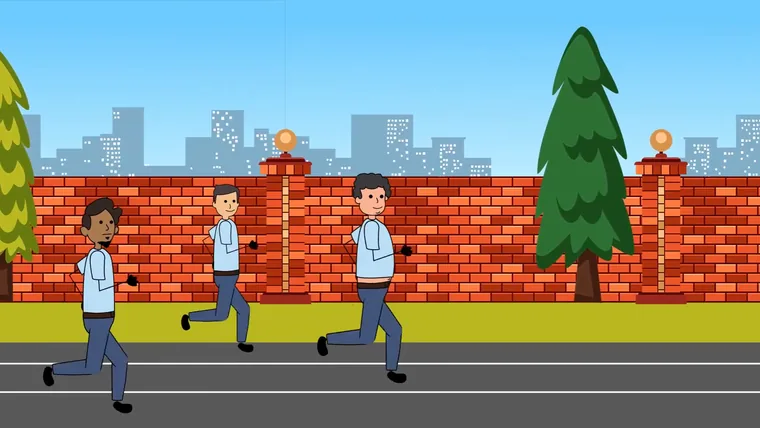
Three schoolboys running along the road beside a long brick wall, the city skyline behind them.
The race that settles the argument
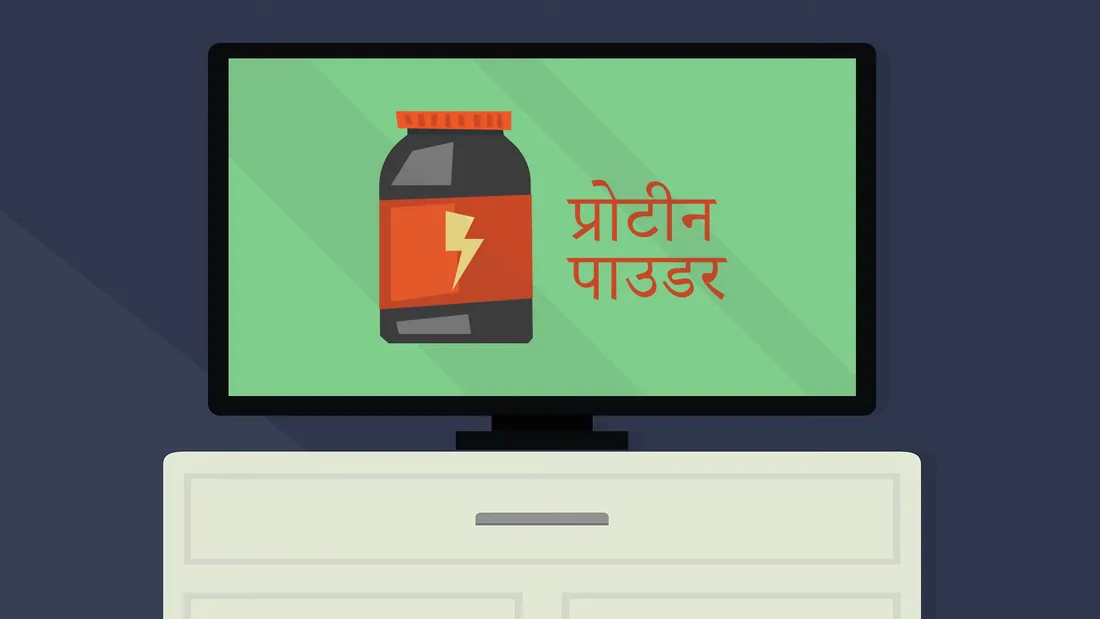
A television in a dark room playing an advertisement for a jar of protein powder.
Where most of his ideas about health came from

04 of five

Food

What Is in Your Food?

Food awareness and nutrition

Turning ingredients and nutrition into a visual journey children could easily follow.
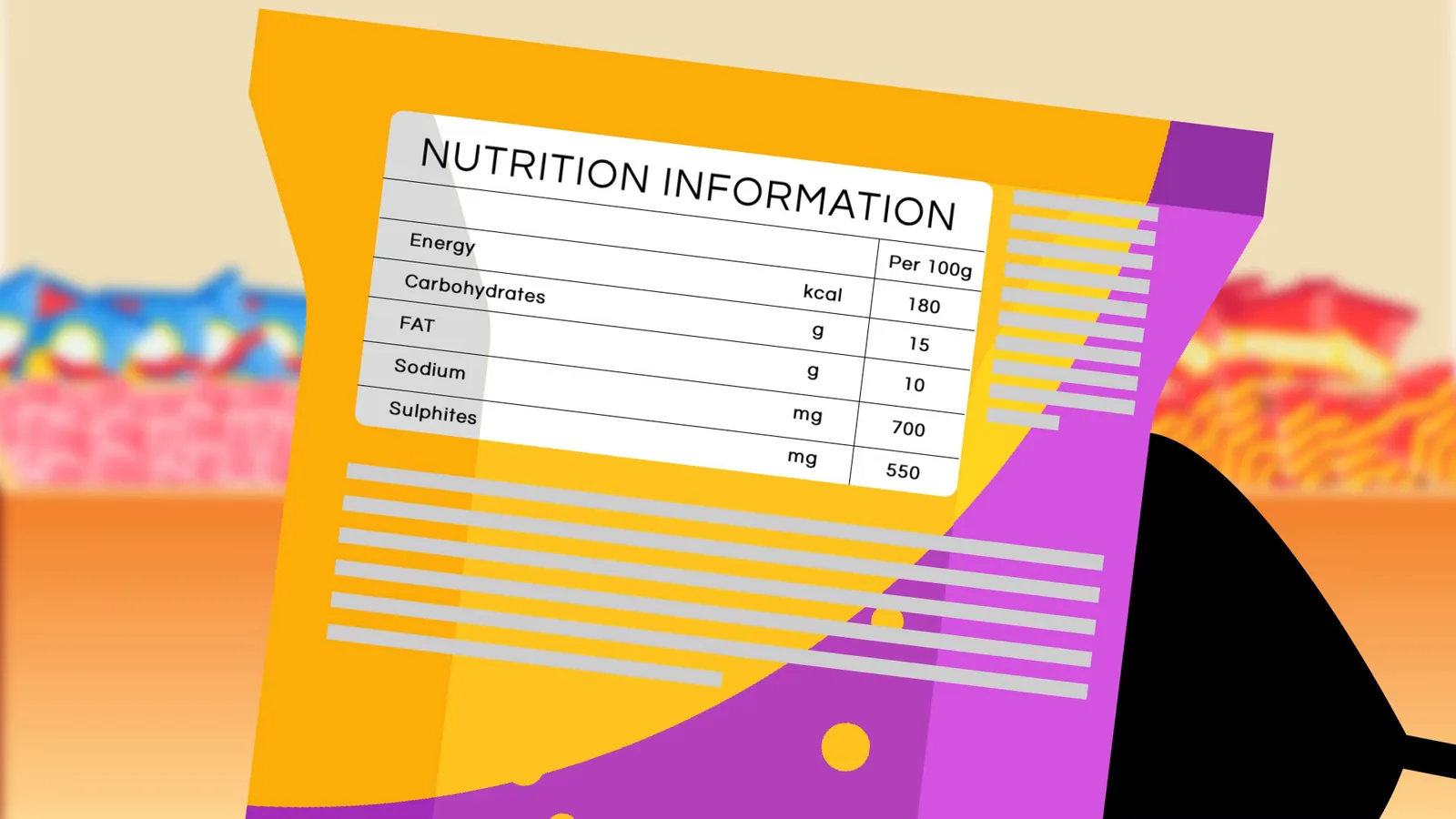
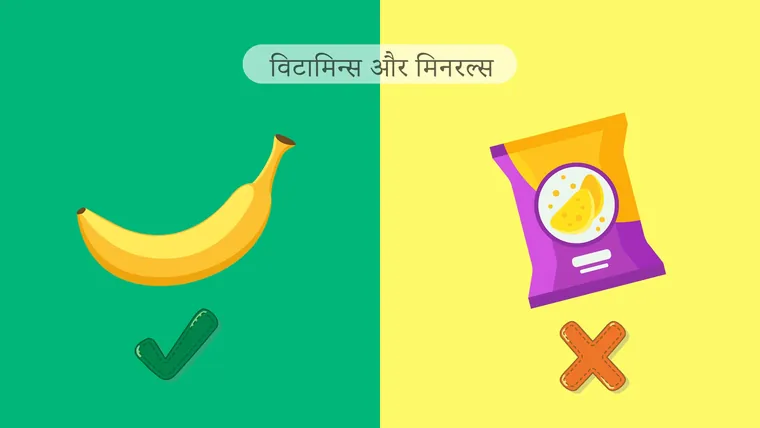
The nutrition information panel on the back of a crisp packet, enlarged until the energy, fat and sodium rows are readable.
The back of the packet, made big enough to read
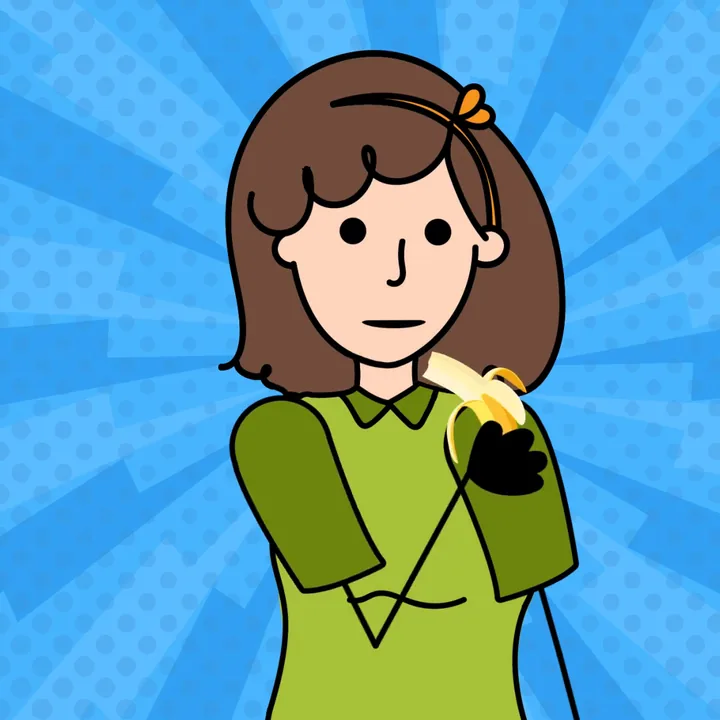
The girl in the fourth film holding a banana, against a blue starburst.
The girl the fourth story follows
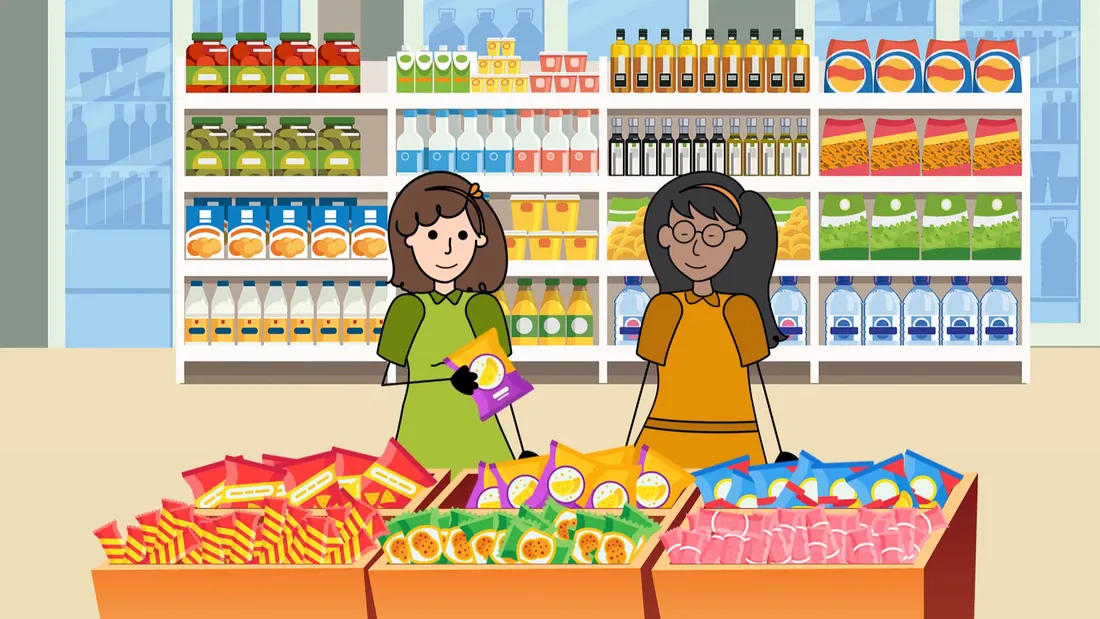
Two girls at a shop shelf stacked with snack packets, bottles and boxes, a crate of produce in front of them.
The decision, taken where it is actually taken

05 of five

Culture

Culture

Diversity and belonging

Celebrating the traditions, food, clothing and experiences that make every community unique.
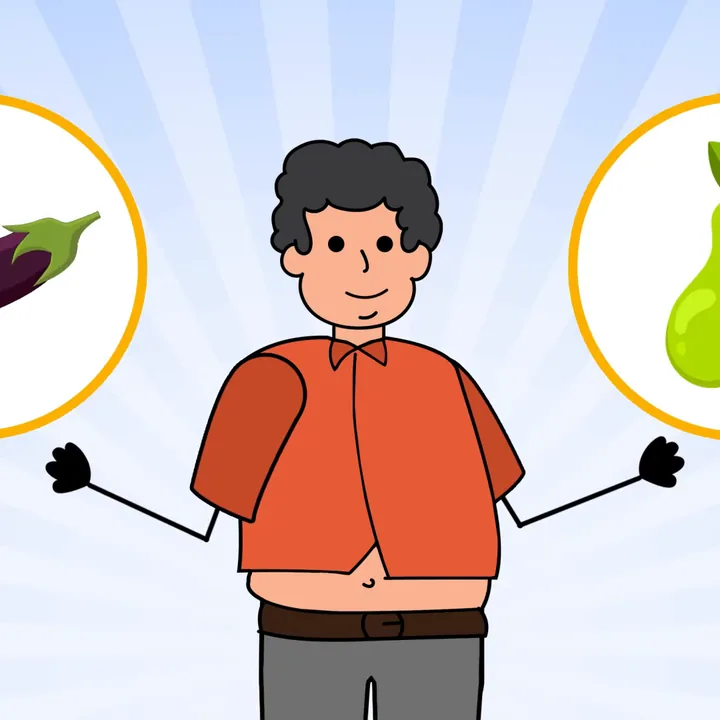
Golu, the boy in the fifth film, standing between an aubergine and a pear.
The boy the fifth story follows
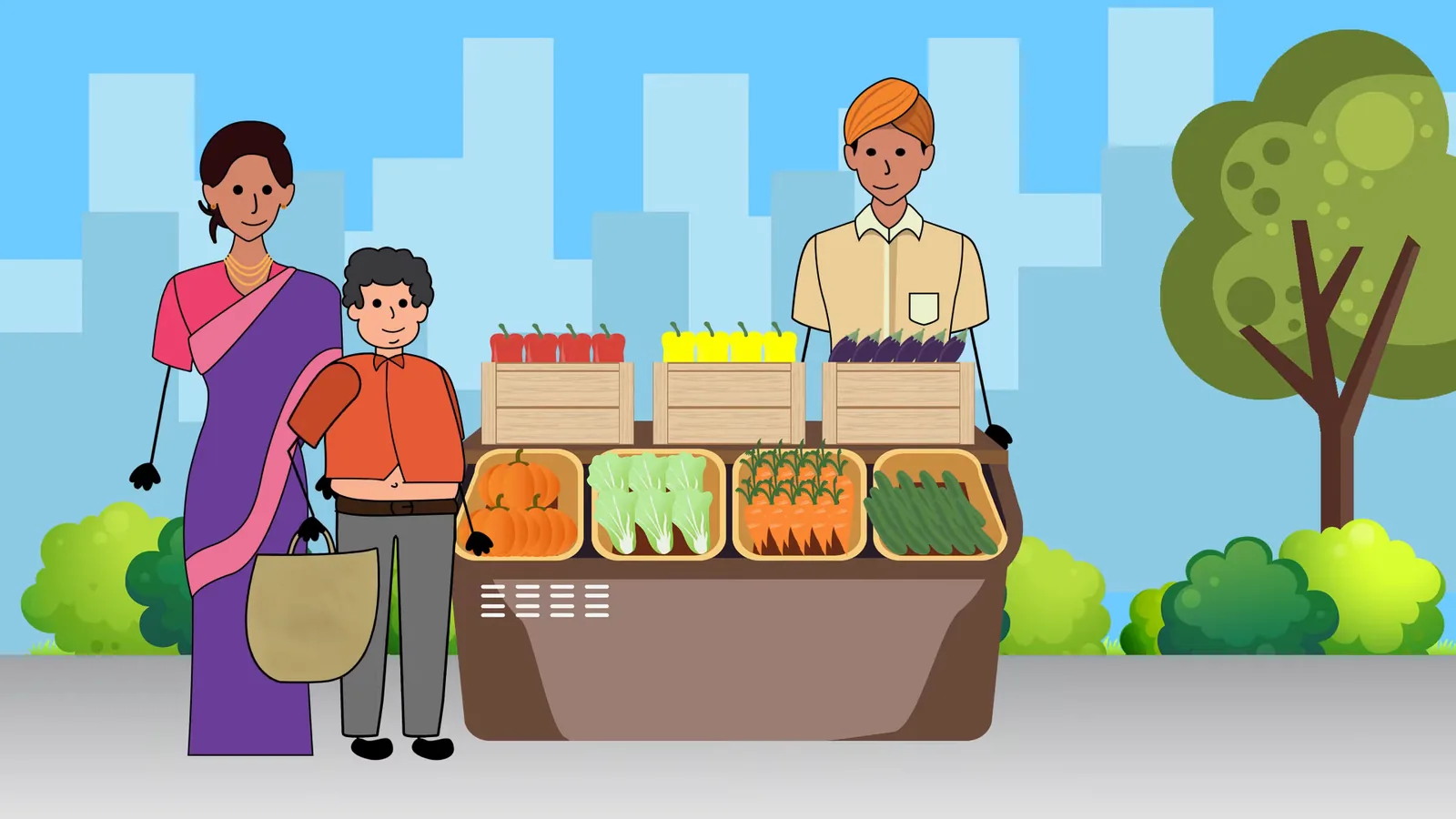
A mother and her son buying vegetables from a street vendor’s cart of tomatoes, gourds and greens.
The market where the fifth story is set
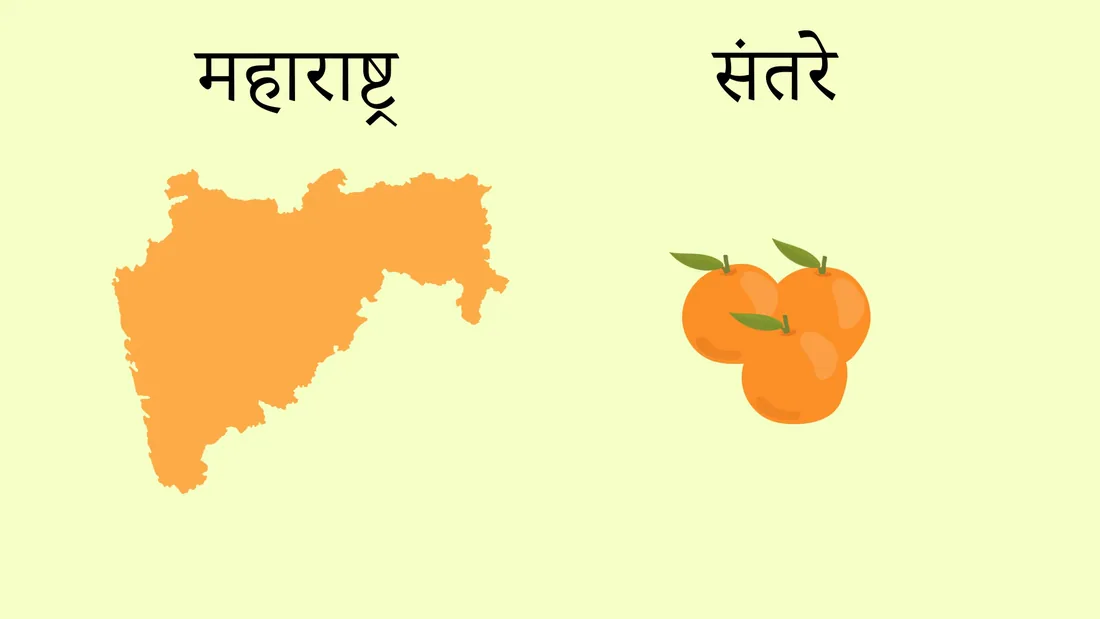
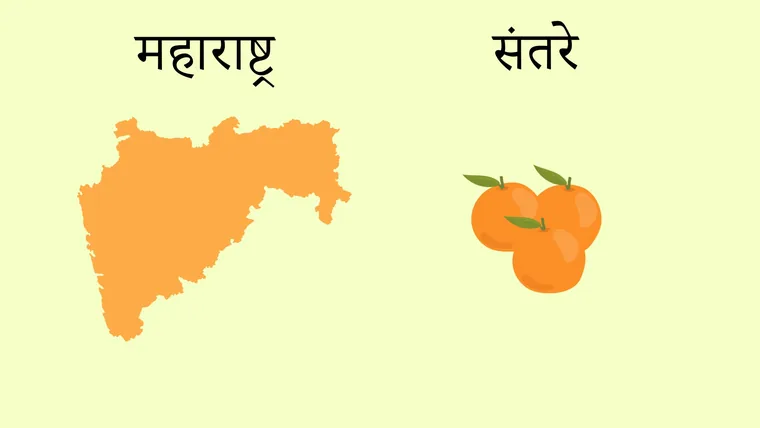
An outline map of Maharashtra beside three oranges, both labelled in Hindi.
What grows where, and what that means at the stall

The Process

Designed frame by frame. Understood story by story.

Every visual decision was made for a young audience—from the simplicity of the characters and clarity of their expressions to the pacing of scenes and accessibility of the storytelling.

The objective was not visual complexity. It was communication clarity.

  1. 01Lesson
  2. 02Script
  3. 03Storyboard
  4. 04Characters
  5. 05Illustration
  6. 06Animation
  7. 07Classroom Film

One cast, five stories

The characters share a build, a line weight and a set of expressions, so a child who has met one of them can read the next without being reintroduced.

  • Character from story one: a schoolgirl in uniform with plaits.01 Self
  • Character from story two: a girl in glasses holding a glass of milk.02 Choices
  • Character from story three: a boy reacting with surprise.03 Health
  • Character from story four: a girl holding a banana.04 Food
  • Character from story five: Golu, arms out between two vegetables.05 Culture

A scene built a portion at a time

The balanced plate in story two is never shown finished. It is drawn on screen in the order a child would fill it, so the lesson arrives as an action rather than a diagram.

  1. An empty plate on a blue ground, with a leaf of greens labelled in Hindi appearing beside it. 01Empty plate
  2. The plate with a third of it filled by vegetables. 02Vegetables
  3. The plate with vegetables and a portion of fruit. 03Fruit
  4. The finished plate with vegetables, fruit and roti, and bowls of pulses beside it. 04Grain and protein

Movement kept legible

Three frames of the same run in story three. The poses are wide and few, the background scrolls flat behind them, and the read stays clear on a projector at the back of a classroom.
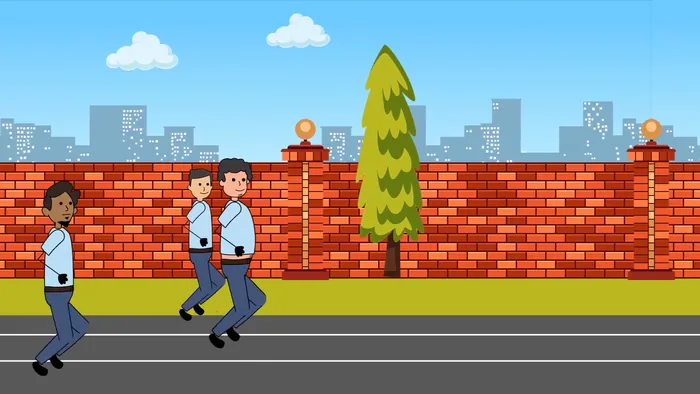
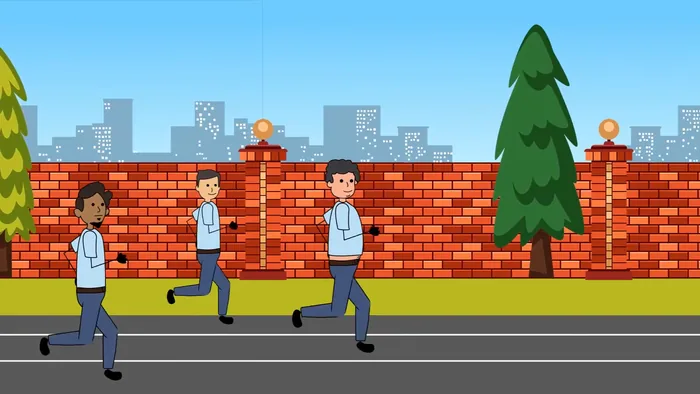
  • First of three frames from a run cycle: the boys mid-stride along the wall.
  • Second frame from the same run, the runners further along the wall.
  • Third frame from the same run, the group spread out as they tire.
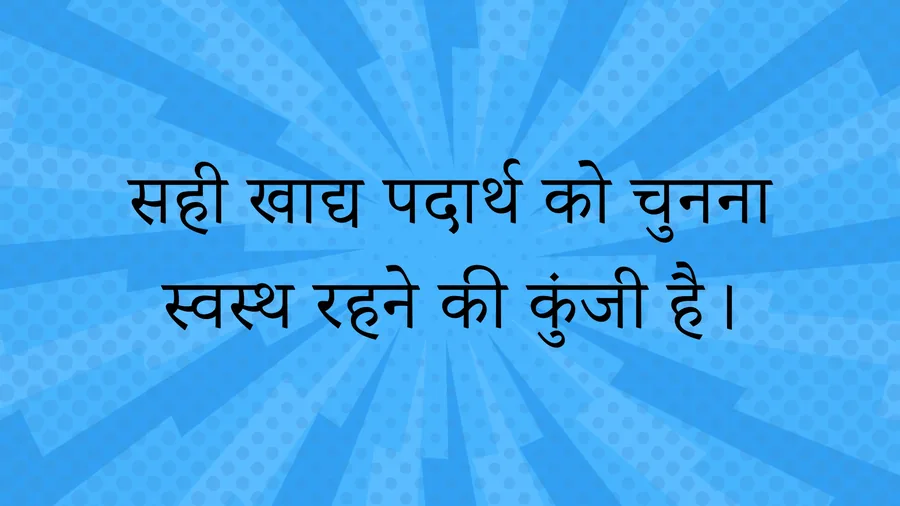
A line of Hindi set full screen at the end of story four, reading that choosing the right food is the key to staying healthy.
Each film closes on its lesson, set plainly on screen
Two cards on a green ground at the end of story one, labelled in Hindi as the right information and the right diet.
And on what a child can do with it

The Impact

A film ends. A lesson continues.

The closing frame of the series shown large: a class of six students standing together.

The last frame of the series, as a class sees it

Created for BMC school environments across Mumbai, these five films were designed to start conversations that could continue in classrooms, homes and everyday life.

By helping students understand themselves, make informed food choices, recognise healthy habits and appreciate culture, the series used animation as more than entertainment—it became a tool for learning.

When a child understands a lesson, its impact can travel far beyond the classroom.

Produced in association with the Foundation for Mother and Child Health, supported by Australian Aid, for students of Brihanmumbai Municipal Corporation schools.